THE TREND INTEL
LIVE
SportsTwo days after cutting Aaron Rodgers, the Steelers rout the Broncos 27–5SportsSpurs come back from 20 down to beat Lakers 99–96 and reach the NBA Cup knockoutsSportsColumbus Crew knock out Messi's Inter Miami with a 92nd-minute winnerSportsLibertadores final: Palmeiras and Estudiantes meet again in Montevideo, 58 years onSportsForest 3–2 Chelsea: Gibbs-White double deepens Xabi Alonso's crisisSportsItaly reach a fourth straight Davis Cup final after doubles thriller against CzechiaSportsForest vs Chelsea: Xabi Alonso needs a reaction at the City GroundSportsDavis Cup semi-final: Alcaraz makes his Bologna debut as Spain face Great BritainSportsMarc Márquez retires from MotoGP: Valencia will be the eight-time champion’s last raceSportsDavis Cup semi-final: Italy face Czechia in Bologna, chasing a fourth straight title without SinnerSportsMourinho before Alavés: “Jude is the best of the current generation” — and no transfer talkSportsJannik Sinner ruled out of the 2027 Australian Open after knee surgeryEntertainment‘Sunrise on the Reaping’ rules the Thanksgiving box office as ‘Hexed’ and ‘Focker-in-Law’ open softEntertainmentFor the first time in 100 years, the Macy’s Thanksgiving Day Parade won’t march on ThanksgivingTechnologySpaceX wins US approval for up to one million AI data-centre satellitesSportsRoma end PSG’s perfect run as Real Madrid stand alone at the top of the Champions LeagueTechnologyNeuralink gets FDA green light for the first US pivotal trial of a brain implantSportsFlamengo clinch the 2026 Brasileirão in their rivals’ backyard

SpaceX wins US approval for up to one million AI data-centre satellites

The FCC has licensed ‘Starmind’, a constellation of orbital computers powered by sunlight. The first satellite must be operating by 2033 and the full network by 2040.

By The Trend Intel Newsroom··2 min read

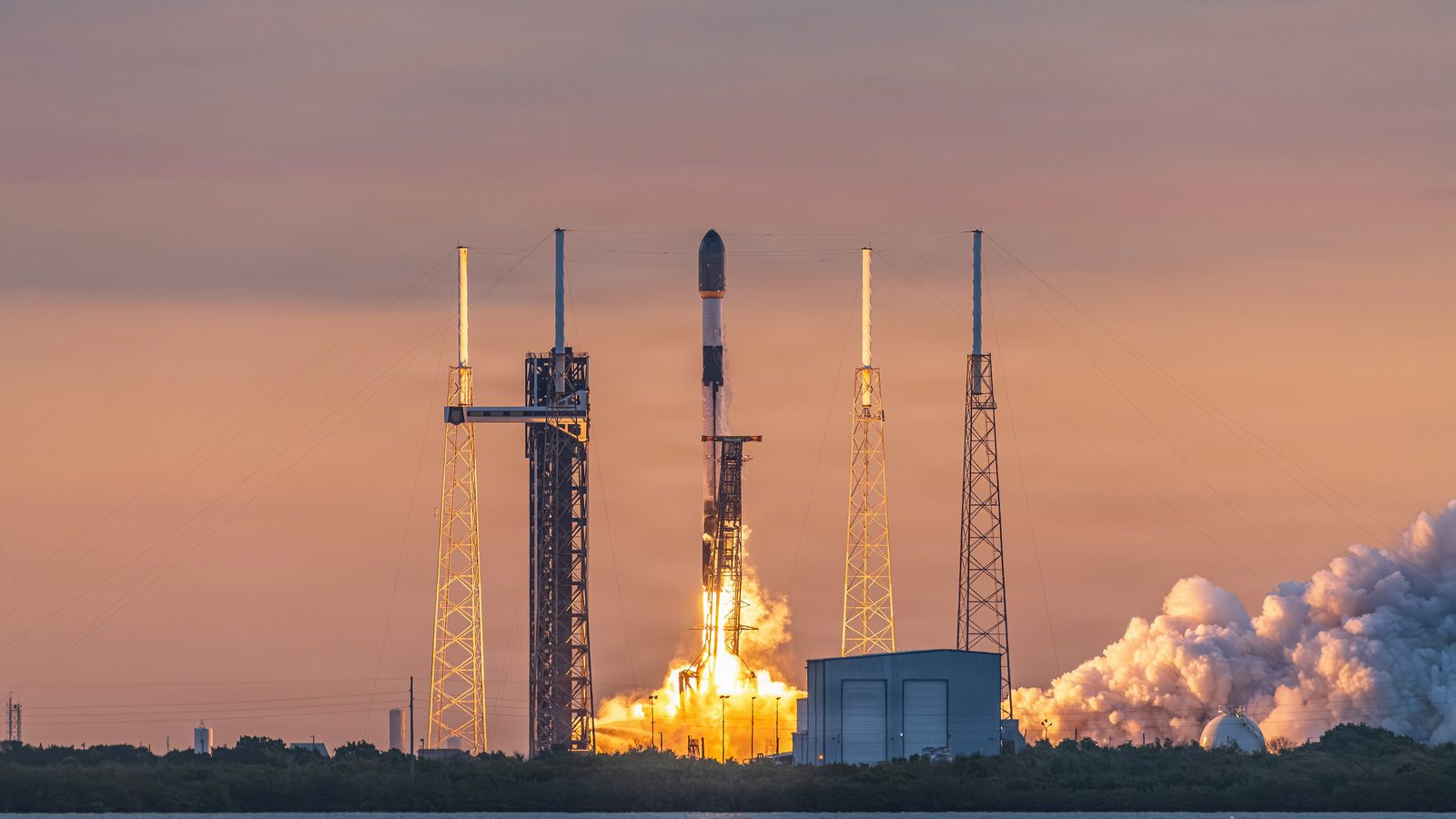
A Falcon 9 rocket lifts off from Cape Canaveral. SpaceX is betting on cheaper launches to build its orbital compute network.
A Falcon 9 rocket lifts off from Cape Canaveral. SpaceX is betting on cheaper launches to build its orbital compute network. Photo: Gwendolyn Kurzen / U.S. Space Force · Public domain

Data centres are heading for orbit — at least on paper. The US Federal Communications Commission on Wednesday 25 November authorised SpaceX to deploy a constellation of up to one million satellites designed to work as data centres in space, a project the company calls Starmind.

The regulator framed the decision as a response to the surging demand for artificial-intelligence computing, saying it would let SpaceX pioneer technology that strengthens American leadership in both space and AI. SpaceX told the FCC that by tapping near-constant solar power with low operating and maintenance costs, the satellites could deliver large gains in cost and energy efficiency while reducing the environmental footprint of data centres on the ground.

The licence comes with firm milestones. SpaceX must have its first Starmind satellite operating by 25 November 2033, reach 10% of the constellation — 100,000 satellites — by 2035, half by 2038 and the full million by 25 November 2040. The satellites would fly in shells between roughly 500 and 1,000 kilometres above Earth.

The scale is extraordinary. Around 17,000 satellites are in orbit today, and operators often seek approval for far more spacecraft than they ultimately launch, to keep design options open. The plan relies heavily on Starship, SpaceX’s fully reusable rocket still in development, driving down the cost of reaching orbit. Rivals, including Amazon’s satellite business, have argued that the full constellation is unlikely ever to be built.

Astronomers have also warned about crowded orbits and brighter night skies. For now, Starmind is a licence rather than a product — but it is the clearest sign yet that regulators are willing to treat space as the next frontier for computing infrastructure.

The Trend Intel Briefing

The essential stories, every morning.

One sharp email each morning: Sports, Entertainment and Technology, verified by our newsroom. Free, and you can unsubscribe in one click.

More from The Trend Intel