THE TREND INTEL
LIVE
SportsTwo days after cutting Aaron Rodgers, the Steelers rout the Broncos 27–5SportsSpurs come back from 20 down to beat Lakers 99–96 and reach the NBA Cup knockoutsSportsColumbus Crew knock out Messi's Inter Miami with a 92nd-minute winnerSportsLibertadores final: Palmeiras and Estudiantes meet again in Montevideo, 58 years onSportsForest 3–2 Chelsea: Gibbs-White double deepens Xabi Alonso's crisisSportsItaly reach a fourth straight Davis Cup final after doubles thriller against CzechiaSportsForest vs Chelsea: Xabi Alonso needs a reaction at the City GroundSportsDavis Cup semi-final: Alcaraz makes his Bologna debut as Spain face Great BritainSportsMarc Márquez retires from MotoGP: Valencia will be the eight-time champion’s last raceSportsDavis Cup semi-final: Italy face Czechia in Bologna, chasing a fourth straight title without SinnerSportsMourinho before Alavés: “Jude is the best of the current generation” — and no transfer talkSportsJannik Sinner ruled out of the 2027 Australian Open after knee surgeryEntertainment‘Sunrise on the Reaping’ rules the Thanksgiving box office as ‘Hexed’ and ‘Focker-in-Law’ open softEntertainmentFor the first time in 100 years, the Macy’s Thanksgiving Day Parade won’t march on ThanksgivingTechnologySpaceX wins US approval for up to one million AI data-centre satellitesSportsRoma end PSG’s perfect run as Real Madrid stand alone at the top of the Champions LeagueTechnologyNeuralink gets FDA green light for the first US pivotal trial of a brain implantSportsFlamengo clinch the 2026 Brasileirão in their rivals’ backyard

Neuralink gets FDA green light for the first US pivotal trial of a brain implant

The LINK Pivotal Study will test whether people with severe paralysis from ALS can control digital devices by thought alone. Enrolment is already open.

By The Trend Intel Newsroom··2 min read

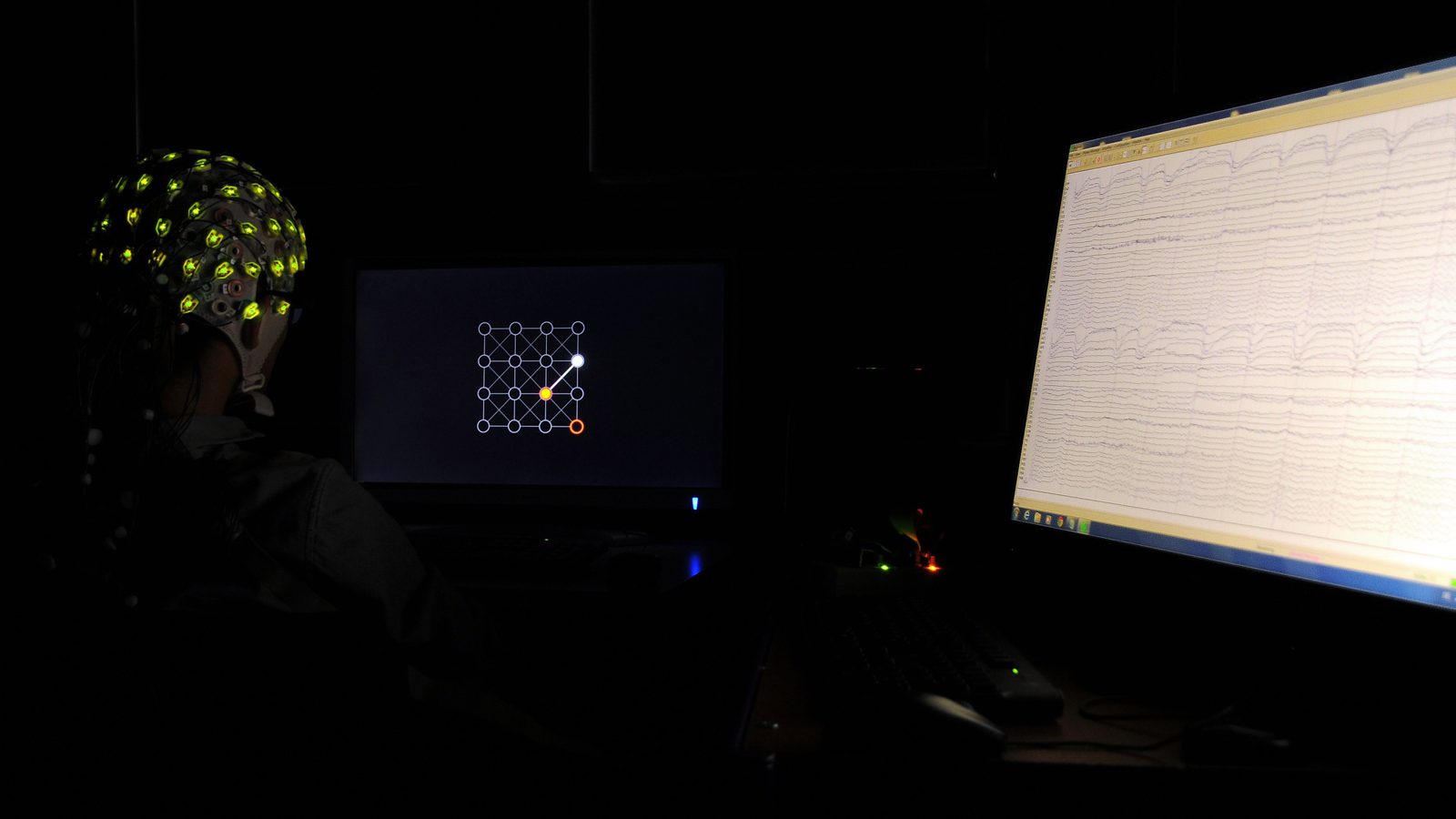
A brain–computer interface research session. Neuralink’s system decodes movement-related brain signals into digital commands.
A brain–computer interface research session. Neuralink’s system decodes movement-related brain signals into digital commands. Photo: Laurens R. Krol · CC BY 4.0

Neuralink has cleared its biggest regulatory hurdle so far. The brain–computer interface company said on Wednesday 25 November that the US Food and Drug Administration has approved the LINK Pivotal Study, which it describes as the first pivotal trial of an implantable brain–computer interface in the United States.

The study will evaluate the safety and effectiveness of Neuralink’s system in people with severe paralysis caused by amyotrophic lateral sclerosis (ALS), the progressive disease that destroys the nerve cells controlling voluntary movement. Researchers will measure how well participants can use the implant to control computers and other digital devices through thought, with a focus on everyday independence, while continuing to track long-term safety and reliability across several clinical sites.

The trial builds on early feasibility studies in the United States, Canada and the United Kingdom, where more than 30 people have received the implant and logged thousands of hours of real-world use. According to the company, participants have used it to study, create, play video games and communicate with their families.

The technology pairs the N1 implant, which sits in the skull, with ultra-thin electrode threads placed by a surgical robot in the region of the brain that plans movement. Software then translates the recorded neural activity into commands for a computer or phone.

Pivotal trials are typically the final stage before a company applies for market approval, but this authorisation covers the study only — it does not allow Neuralink to sell the device. The company has not disclosed how many participants it aims to enrol, how long the study will last or which hospitals will take part.


The Trend Intel Briefing

The essential stories, every morning.

One sharp email each morning: Sports, Entertainment and Technology, verified by our newsroom. Free, and you can unsubscribe in one click.

More from The Trend Intel